From pollen to dust and bed bugs, there are plenty of ‘unseen’ allergens which can cause problems for those who react to them. With around 44% of Brits now suffering from at least one allergy, it’s important for any customer-facing or care businesses to be aware of and responsive to their needs. This includes removing allergens from laundry – one of the underestimated but essential tasks.
Particularly in spring, when tree and grass pollen levels increase, and parasites start to emerge, they can cling to bedding, clothes and towels. When these come into contact with someone who has an allergy, it can cause a reaction that ranges from minor discomfort to more serious symptoms.
By choosing the right commercial laundry equipment, businesses like care homes, hotels and spas can minimise the allergens in their washing, helping their clients stay comfortable and safe.
The importance of commercial laundry for allergy control
Non-food allergens can be difficult to spot and keep control of. Particularly in spring, when levels of certain irritants start to increase. Many of these spread through the air or contact with clothing, bedding, linen and furniture such as headboards or mattresses.
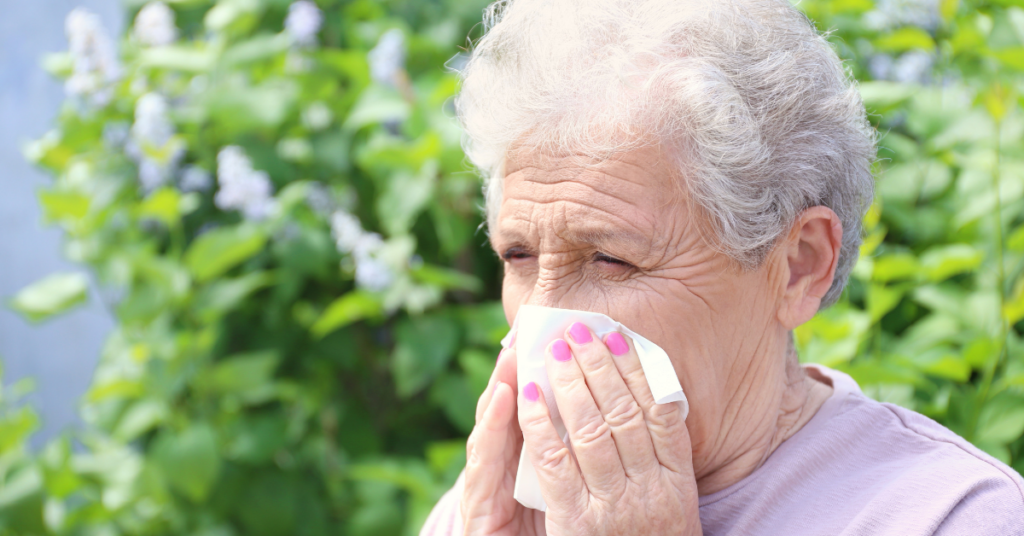
When an allergy sufferer reacts to an antigen, they can experience a range of symptoms such as a runny nose, itchy eyes and skin reactions. These reactions can range in severity from mild discomfort to serious anaphylaxis, which requires emergency treatment. This is particularly the case in older people or those with other pre-existing conditions.
To keep customers and clients safe, it’s essential that businesses put anti-allergen controls in place. This includes washing and drying laundry in machines with sanitation technologies that can remove antigens and prevent reactions in sufferers.
Common allergens found in laundry
Although they might be difficult or impossible to spot with the naked eye, there are a range of allergens which can fix on clothes or linen and cause reactions.
Pollen
Pollen is an airborne allergen that is released by flowers, grass and trees. In spring, when the weather gets warmer and these plants start to flower, more pollen is released into the air, causing levels to increase. Released into the air, pollen is mainly carried in the wind. However, it also clings to people’s clothes while they’re outside and can rub off onto linen and bedding when they return indoors.
People with pollen allergies tend to react to plant-specific types (e.g. tree pollen, not grass pollen). The mild symptoms experienced by people allergic to pollen is known as ‘hayfever’ and include itchy eyes, a runny nose and nasal congestion. However, signs of anaphylaxis can include vomiting, shortness of breath and confusion.
Dust mites
Dust mites are microscopic pests that feed on dead human cells and live in fabrics. They also absorb moisture from the air, meaning they thrive in humid, warm environments. Alongside those with allergies, people who have asthma also react badly to dust mites. Causing inflammation in the nasal passages, they can cause difficulty breathing, chest tightness and bouts of coughing and wheezing.
Vacuuming carpets or upholstered furniture and dusting hard surfaces regularly are essential to keeping dust mites at bay. Removing them from linen and bedding with anti-allergy laundry equipment will also prevent dust mites from building up and causing allergic reactions.
Bed bugs
Bed bugs are small parasites which usually infest linen and bedding. They usually travel from contaminated items and spawn in warm, carbon dioxide-filled environments. Hence, they are attracted to people when they’re sleeping and are most commonly found in beds. Early signs of a bed bug infestation include spots of blood, black dots and white or yellow eggs.
If bitten by a bed bug, most people will get an itchy spot on their skin, which can turn red or purple. The most common places for bed bugs are on the face, neck and hands. People allergic to bed bugs can experience severe itching, skin inflammation and hives that spread around the body. In the worst cases, anaphylaxis can occur.
Laundry chemicals
Laundry detergents, destainers, emulsifiers and conditioners are essential for getting top-quality cleaning results on clothing, linen and bedding. However, some people can react to certain chemicals in these products, including fragrances, dyes, preservatives, enzymes and fabric softeners. Sulfates and peroxides are ingredients that are notorious for causing allergic reactions.
Allergic reactions to laundry chemicals usually appear on the skin as rashes, itching, bumps and burning, dry or cracked skin. These reactions may not appear immediately and can build up over time as a result of repeated exposures. In some severe cases, people may experience respiratory symptoms such as difficulty breathing.
Switching to a non-biological detergent or non-corrosive options can help reduce the likelihood of allergic reactions.
The impact of allergies on care homes
Older and often with pre-existing medical conditions, care home residents are particularly vulnerable to the impacts of allergic reactions. Severe symptoms, such as difficulty breathing or an episode of anaphylaxis, could prove life-threatening. Some individuals may also have problems communicating their symptoms or experience anxiety and stress as a result of the discomfort.
The impact of allergies on hotels and spas
Many people won’t declare their non-food allergies to staff in hotels and spas (unless they’re undergoing massages or treatments that require oils and creams). Plus, with airborne allergens such as pollen, it can be difficult to completely protect customers from suffering reactions.
However, if someone does react to linen or bedding, then it could cause discomfort or even risk their health (in the case of anaphylaxis). In the case of bed bugs or dust mites, it can also threaten a business’s reputation. Infestations won’t just stop customers from returning but could mean the hotel or spa has to be closed for a costly, time-consuming deep clean.
The features of anti-allergy laundry equipment
To remove allergens such as dust mites, bed bugs and pollen from laundry, businesses need washers and dryers that can reach higher temperatures and run extra rinses. Washing and drying items at above 50°C will get rid of most parasite infestations, while rinsing laundry more than once during a wash will ensure that allergens are entirely removed from the linen.
For items that can’t be processed on a hot wash, specialist products such as Pro Fit Crystal or Low Temperature Destainer can be used. When verified and mixed correctly with the wash liquor, these solutions disinfect effectively at lower temperatures, helping you maintain hygiene standards without compromising fabric care.
Anti-allergy commercial machines have cycles and programs that create these conditions and destroy antigens. Combining this with hypoallergenic detergents and laundry chemicals will minimise the likelihood of allergic reactions without sacrificing quality results. Commercial equipment can also perform these processes at scale, making it easy and quick to remove allergens from laundry.
How WASHCO can support your business
As a trusted partner to care homes, hotels and commercial laundry operations across the UK, WASHCO combines leading equipment with expert support to keep your business hygienic, compliant and allergy-safe.
Whether you want to protect your customers from allergens or achieve better cleaning results, our expert team can help you find commercial laundry equipment to suit your needs and footprint. Contact WASHCO’s specialists on 08000 546 546 or email info@washco.co.uk to find out more.