When choosing between a heat pump tumble dryer and a vented dryer, the factors to weigh up are:
- Energy efficiency
- Installation requirements
- Running costs
- Long-term value
Vented dryers have been used for decades, while heat pump tumble dryers are a newer, more energy-efficient option that’s growing in popularity.
In this guide, we’ll walk through how each type works, the pros and cons and which one is likely to make the most sense for your laundry.
Key takeaways at a glance:
- Both vented and heat pump dryers dry clothes effectively
- The difference lies in energy efficiency, installation, running costs and long-term suitability
What is a vented tumble dryer?
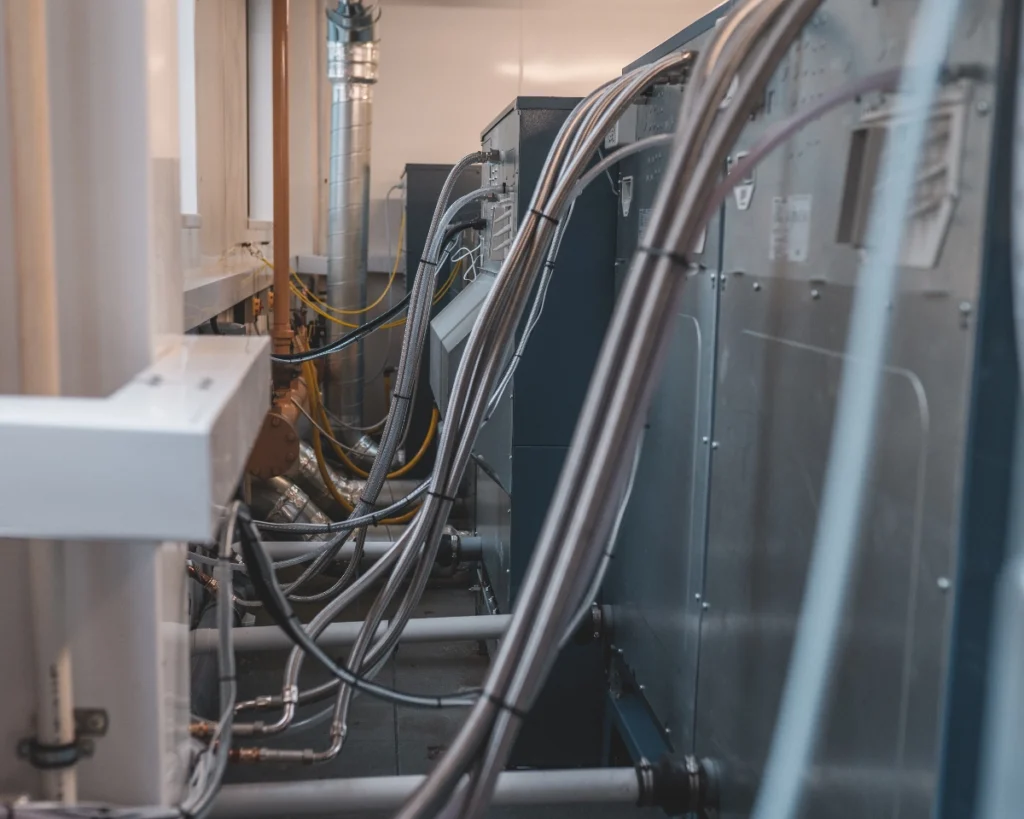
A vented tumble dryer is the more traditional type of dryer, and one many people will already recognise. It dries clothes by blowing hot air through the drum, drawing moisture out of fabrics and then expelling that damp air outside through an external duct.
Because of this, a vented tumble dryer needs to be positioned near an external wall so the moist air can escape the building.
How vented tumble dryers work
- Air is heated using an electric element or a gas burner
- That hot air circulates through the drum, drying the clothes
- The warm, damp air is then expelled outside via the duct
Advantages of vented tumble dryers
- Dry clothes quickly, thanks to high drying temperatures and the removal of moisture to the outside atmosphere
- Usually cheaper to buy upfront
- Tried-and-tested technology that’s easy to understand
Disadvantages of vented tumble dryers
- Must be vented outside
- Higher energy consumption
- Heat is lost rather than reused
What is a heat pump tumble dryer?
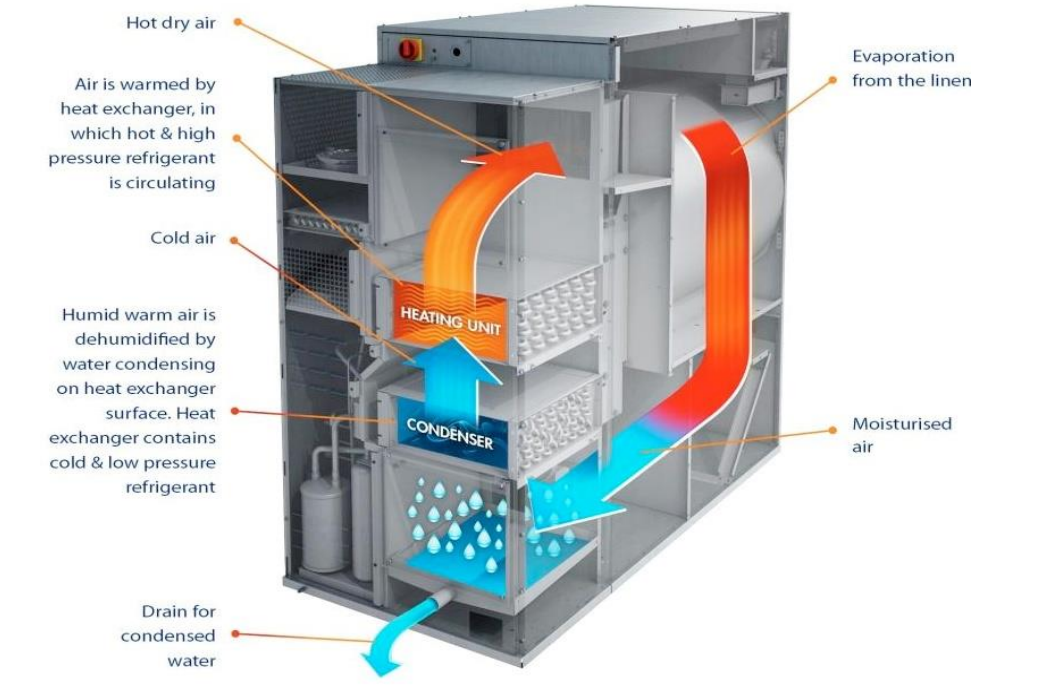
A heat pump tumble dryer dries fabrics by keeping warm air inside the machine and reusing it, rather than blowing hot, damp air outside and wasting it:
- Warm air circulates through the drum and absorbs moisture
- The moist air passes through an evaporator
- Water is condensed and collected or drained away
- The air is reheated and reused
- The cycle repeats until the laundry is dry
Because the heat is reused rather than lost, heat pump tumble dryers consume far less electricity than vented dryers.
Benefits of heat pump tumble dryers
- Very energy efficient
- No need for external venting
- Lower running costs over time
- Gentler on fabrics
The main compromise is that drying cycles usually take longer.
Heat pump dryer vs. vented dryer: what’s the difference?
When comparing a heat pump dryer to a vented dryer, the differences go beyond performance.
| Feature | Vented dryer | Heat pump dryer |
| Energy efficiency | Low | Very high |
| Running costs | Higher | Much lower |
| Drying speed | Faster | Slower |
| Installation | Needs an external vent | No vent required |
| Fabric care | Hotter drying | Lower, gentler heat |
| Purchase price | Lower | Higher |
Vented dryers focus on speed and simplicity. Heat pump dryers focus on efficiency and long-term savings.
Are heat pump dryers cheaper to run than vented?
Yes. Heat pump dryers are much cheaper to run than vented dryers. By recycling warm air instead of constantly generating new heat, a heat pump tumble dryer can use significantly less energy per cycle. In commercial environments, the savings can be substantial over the lifespan of the machine.
Heat pump dryers are increasingly popular in energy-conscious laundries.
Why are vented dryers being ‘phased out’?
Vented tumble dryers are gradually being phased out due to a combination of factors:
- Poor energy efficiency
- Environmental and energy regulations
- Incompatibility with modern, airtight buildings
- Rising electricity costs
Is it worth getting a heat pump tumble dryer?
A heat pump tumble dryer is definitely worth considering.
They’re a good choice if you:
- Want to reduce running costs
- Care about energy efficiency
- Don’t want to install external venting
- Are thinking long-term
However, the reality is that heat pumps dry at slower speeds and require increased maintenance by both the customer and supplier, so they are not often a viable solution in commercial settings that process huge amounts of linen.
Explore WASHCO commercial tumble dryers.
Choosing the right dryer for your set-up
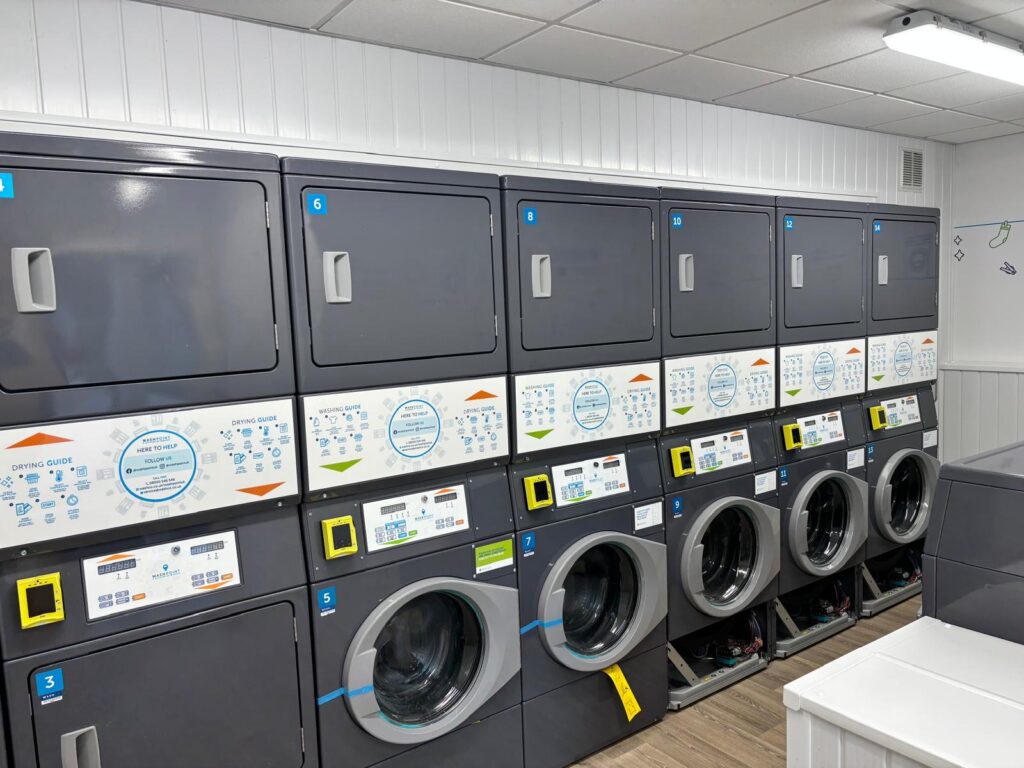
In commercial settings, choosing the right tumble dryer goes beyond basic drying performance. Load size, throughput, energy use and reliability all come into the decision.
WASHCO supplies a wide range of commercial tumble dryers, including:
Our models come in smaller capacities (5-10kg), midweight options (11-20kg) and large industrial sizes (41-90kg).
Further reading…
- Buyer’s guide: Commercial laundry equipment for care and nursing homes
- Buyer’s guide: Commercial laundry equipment for hotels and hospitality venues
FAQs: heat pump vs vented tumble dryers
What are the disadvantages of a heat pump tumble dryer?
They usually cost more upfront and take longer to dry fabrics, but lower energy use often offsets the initial costs over time.
Does a heat pump tumble dryer need to be plumbed in?
Not always, as they can collect water in a tank. But commercial machines need plumbing in.
Do tumble dryers have to be vented outside?
Only vented tumble dryers require external venting. Heat pump and condenser dryers do not.
Does a heat pump tumble dryer make the room damp?
The room will only become damp if it doesn’t have adequate ventilation.
Why is my heat pump dryer not drying towels?
Overloading, blocked filters or incorrect settings can all increase drying times.
How long does it take to dry a load in a heat pump dryer?
Drying cycles are typically longer than with vented dryers, but total energy use is much lower. Dry time varies based on the machine, cycle settings, fabric type and load size. It can take more than 2 hours for a full load.
Final thoughts
Both vented tumble dryers and heat pump tumble dryers can dry clothes effectively, but they suit different priorities.
Vented dryers are fast and (most often) cheaper, making them appealing where speed and lower upfront cost matter most. Heat pump tumble dryers, meanwhile, focus on energy efficiency, lower running costs and long-term savings, without the need for external venting.
By understanding how each type of dryer works and where they perform best, you can make a more informed choice that balances performance, cost, installation and efficiency for your space.
WASCHO can help you reach a final decision, with site surveys, layout design and a range of expert drying equipment for all sorts of facilities from Care to Hospitality.
The difference lies in energy efficiency, installation, running costs and long-term suitability.