
Key takeaways at a glance:
Navigation guide
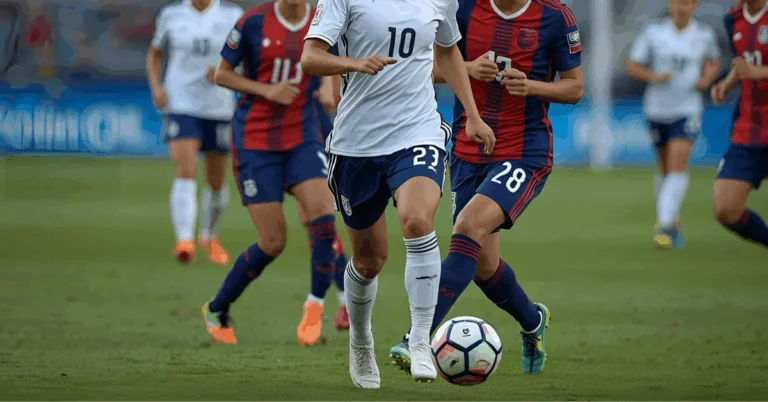
The unique laundry demands of professional football
Volume and frequency challenges
Football clubs turn out immense volumes of laundry. It’s not just multiple sets of player kits (shirts, shorts, socks) that pass through the wash, but also training gear. Towels, bibs, and protective gear, like gloves and shin pads, need to be cleaned, too.
Kits are often coated with mud, grass, sweat, and sometimes blood. This calls for constant wash loads off the pitch, often on a 24-hour cycle, to ensure that clean, well-maintained gear is always available for the next match or training day.
For the equipment managers, this equates to hundreds of pounds of laundry per week. These quiet legends of the laundry room rely on durable washing machines that can rapidly turn around clothes.
Specialised fabric care requirements
Modern football kits are made from high-performance fabrics, like polyester and nylon, designed to wick sweat and stay lightweight.
If not washed properly, these garments can shrink or fade, something clubs with sponsorship deals can’t afford, as logos and branding must remain visible. Ill-fitting or damaged clothing not only affects player comfort but can also harm the club’s image. Replacing ruined gear is wasteful and costly.
WASHCO commercial washers have cycles tailored to the various sports fabrics to prevent such problems.
Hygiene standards and infection control
Sports gear, particularly when exposed to sweat and bodily fluids, becomes a breeding ground for bacteria, fungi, and viruses. If not properly sanitised, clothes can start to smell or cause skin infections.
Many clubs use advanced methods like thermal disinfection (washing items at temperatures above 71°C / 160°F for 3 minutes or more) or commercial detergents to fight against mould, yeasts, viruses, and bacteria.
Essential equipment for football club laundry rooms
High-capacity, industrial washing machines
Unlike residential or light commercial washers, heavy-duty industrial machines are built for continuous, tough use. They can deal with hundreds of pounds of laundry per week.
Features include:
Large drum capacity: Many clothes can be washed at once, so fewer cycles are needed to keep the process moving at a pace.
High G-force extraction: Machines with high G-force extract speeds (300-450 G-force) remove more water from fabrics during the spin cycle, shortening dry times.
Programmable wash cycles: Cycles can be tailored to fabric types and how dirty the washing is (aka ‘soil level’). This means even specialist fabrics are cared for.
Professional-grade dryers with moisture sensing
Once the clothing is washed, the next step is putting it through the wringer. High-performing tumble dryers help laundry managers meet rapid turnaround times and protect athletic wear.
Large capacity: The tumble dryers used in sports laundry must have high capacities to service the high volume of clothes coming out of the wash.
Moisture sensing technology: Moisture sensors automatically stop the drying cycle when the clothes reach the desired dryness, saving energy and protecting the garments from shrinking due to ‘over-drying’.
Multiple heat settings: Different fabrics do best at varying heat settings. Professional dryers come with multiple temperature settings to safely and effectively dry everything from lightweight shirts to heavy towels.
Efficient airflow: Systems that ensure even drying and reduce dry times.
Specialised stain removal systems
Football kits are prone to tough stains. To maintain their condition, club laundry rooms have advanced tactics.
Pre-treatment stations: Stain removers are applied to items before the main wash cycle.
Automatic detergent dispensing: Systems automatically release the right amount of detergent, fabric softener, and other chemicals. This prevents ‘overdosing’ (which can damage fabrics) and ‘underdosing’ (which leads to ineffective cleaning).
Finishing equipment (pressing, folding, packing)
Once the laundry is clean, dry, and stain-free, it’s time for the final touches.
Presses and steamers iron out the creases and maintain a professional appearance.
Folding tables or automated folding machines help pack everything away neatly, especially when managing high volumes of items.
Proper storage protects and organises clean clothes, so they’re ready for distribution. This can be shelves, hanging racks, or individual player stations in the locker room. Well-ventilated storage prevents moisture buildup or odours.
Laundry room layouts and workflows
The overall setup is key for good hygiene and avoiding setbacks, e.g. mixing up clean and dirty clothes. Here’s a typical professional football club laundry workflow:
Dirty laundry intake: Where soiled kits and equipment are received, sorted, and prepared for washing. This zone should be separated from clean areas at all times.
Washing area: The mid-point between dirty and clean — where the washers are located.
Clean laundry processing: An area for drying, folding, and organising items fresh out of the wash. This zone should be kept meticulously clean and free from dirty clothes.
Efficient, well-trained laundry teams
Laundry room operatives must be trained to use industrial washing machines and tumble dryers safely. They also need to be briefed on hygiene protocols, handling chemicals, and issued appropriate protective gear, such as gloves and aprons. Especially when dealing with soiled items and tough cleaning products.
Safety considerations
Sustainability at modern football clubs
Going green is a shared focus across sports organisations and the commercial laundry industry.
Modern commercial washing machines are now designed to recycle and reuse water. For example, water from rinse cycles can be filtered and redirected into other wash loads.
At the same time, heat recovery systems are fitted into dryers. Excess heat generated during drying can be captured and reused to pre-heat incoming water or air, minimise energy waste, and lower operating costs.
How WASHCO supports your club
Consultation and needs assessment
WASHCO knows what it takes to service professional football clubs’ laundry. With decades of experience in commercial laundry, we’re ideally positioned to help you deliver peak performance, hygiene, and efficiency. We offer laundry professionals support with the design and layout of their facilities, including 3D modelling and construction issue drawings.
Installation and setup services
WASHCO is happy to coordinate the installation of commercial laundry equipment. Our team of specially trained installation technicians and Gas Safe-registered engineers ensure every installation is completed to the highest standards of safety, precision, and efficiency.
Ongoing maintenance and support
From fully comprehensive packages to annual maintenance checks or fixed-cost options, WASHCO ensures your maintenance and repairs are handled by our nationwide team of highly qualified, Gas Safe-registered, and DBS-checked engineers. Whether you require responsive, on-demand callouts or the reassurance of a breakdown and service contract, we provide cost-effective solutions tailored to your business needs.
Book your laundry consultation with WASHCO today
Book your laundry consultation with WASHCO today by calling 08000 546 546 or emailing info@washco.co.uk and speak to our friendly team of experts who’ll be happy to help.